Sustenance Journal
Family Meals: An Easier Way to Adapt What Your Family Eats for Babies and Children
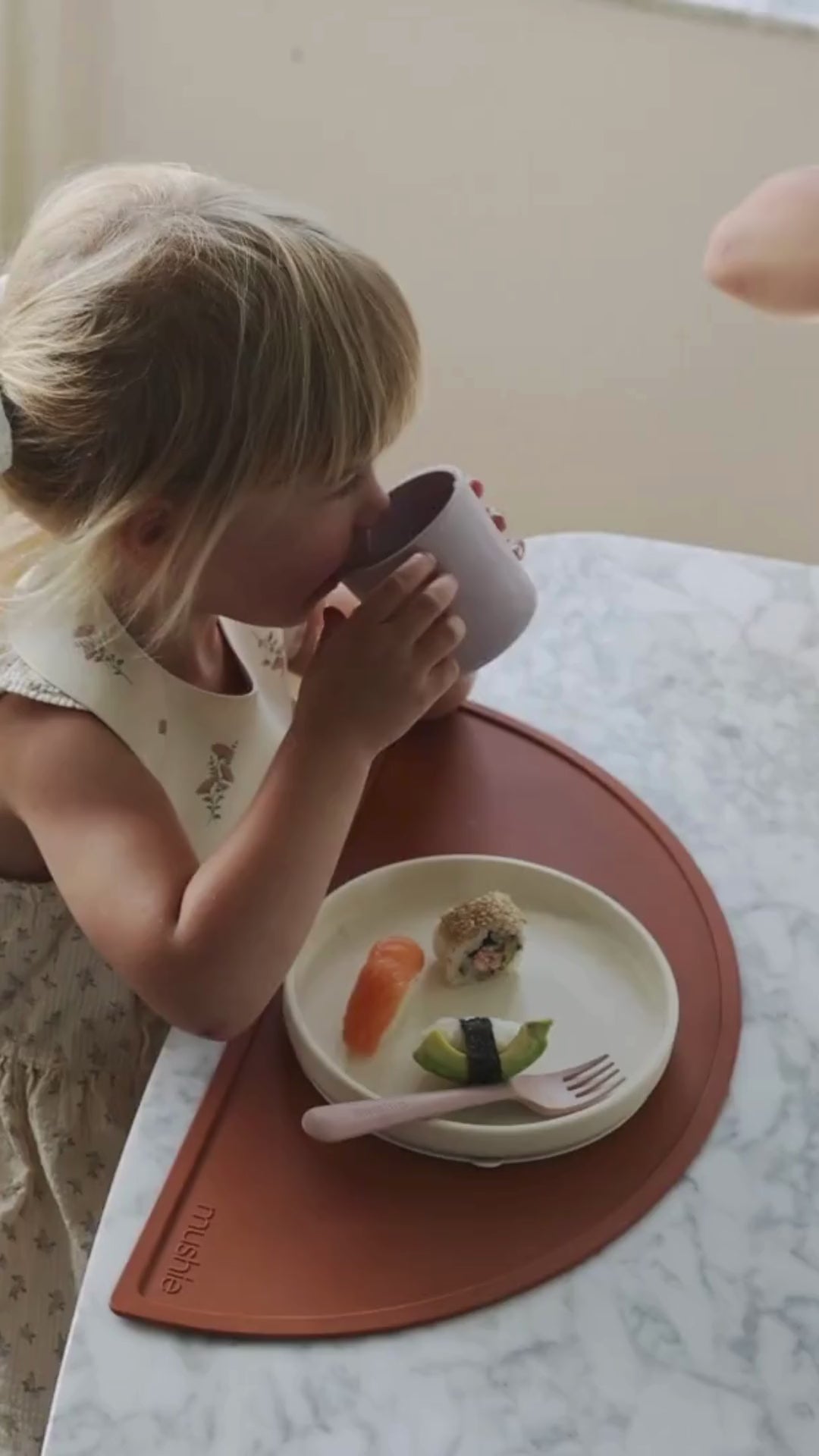
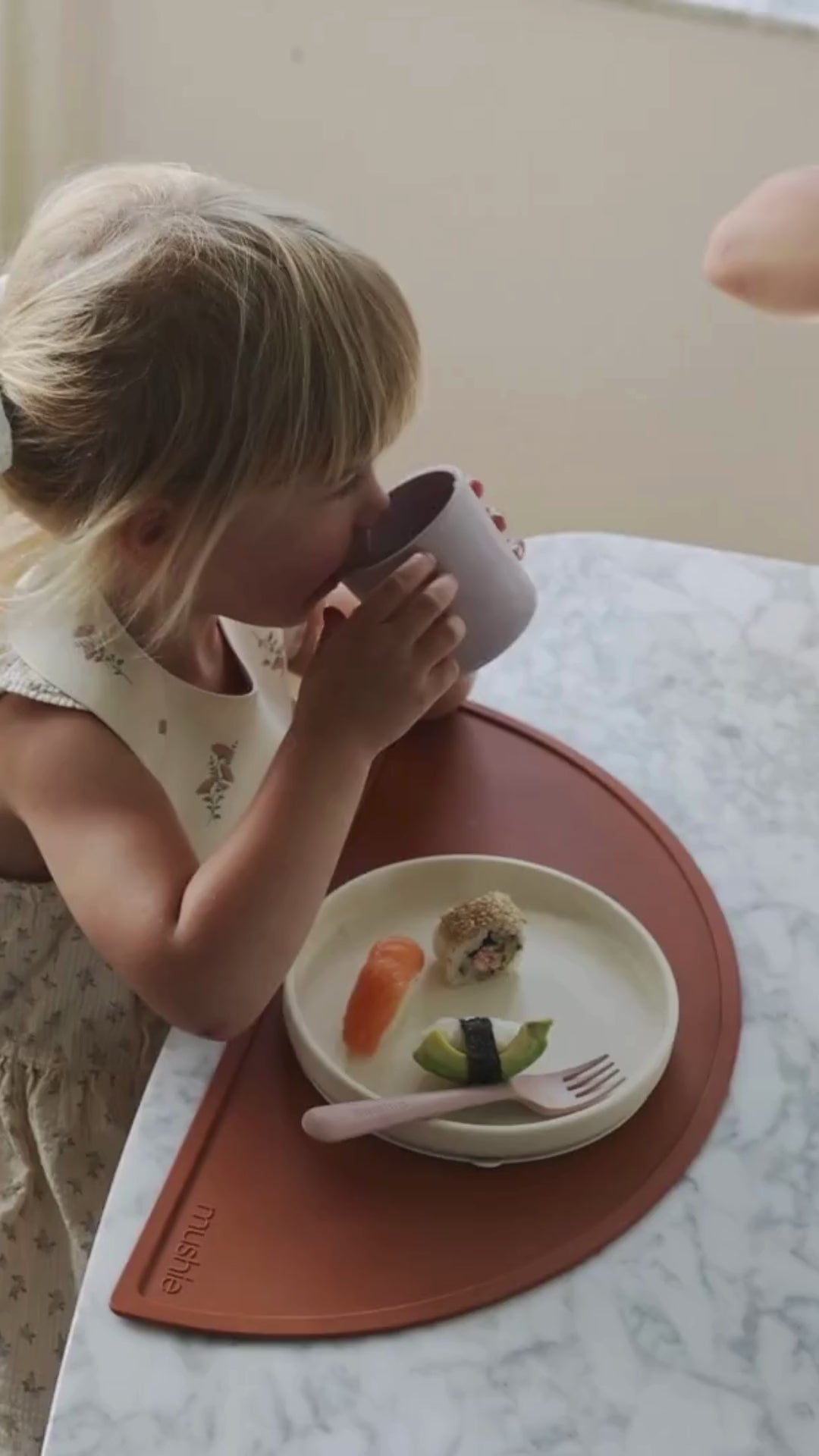
When a child begins learning to eat, the family table becomes a new kind of learning space.
It’s where they discover more than flavours and textures. They watch the people around them eat, share food, talk, and enjoy familiar meals together. Little by little, eating becomes more than nourishment—it becomes a shared family ritual and a way of belonging.
At Mummasphere, we don't believe starting solids has to mean creating an entirely separate world of “baby food.”
Many of the meals your family already cooks can become the starting point. What changes is how you adapt the texture, shape, seasoning, and portion to suit your child's individual needs and eating skills.
The principle is simple:
One Meal. Two Versions. One Family.
Cook one base meal. Set aside your child's portion at the appropriate stage and adapt it to their needs, then add the finishing flavours that make the family version genuinely delicious.
Less time spent preparing separate meals. More opportunities to enjoy home-cooked food together.
And while age can provide a useful point of reference, eating skills don't develop according to exactly the same calendar for every child. Some children may need different textures, shapes, pacing, positioning, or additional support—including children with developmental differences or disabilities.
Age can guide us. Skills tell us how to adapt.
The goal isn't for every child at the table to eat in exactly the same way.
It's to help each child participate safely, comfortably, and according to the abilities they have today.
Tips from Mummasphere
🌿 From One Meal to the Family Table
Sharing a family meal doesn't mean everyone needs exactly the same texture, portion, or presentation on their plate.
A baby may need a softer texture. Another child may comfortably manage the original family meal. A child with particular developmental or feeding needs may require a different adaptation.
Adults may want stronger seasoning, chilli, or additional finishing flavours.
Shared doesn't have to mean identical.
What you're sharing is the foundation of the meal, familiar tastes and aromas, and the experience of belonging at the same family table.
1. Start With Food Your Family Actually Wants to Eat
Begin with nourishing, everyday foods that are relatively minimally processed: vegetables and fruit, eggs, fish, chicken, meat, tofu, tempeh, lentils, and the grains or other carbohydrate foods that are already part of your family's meals.
Flavour doesn't have to begin with salt or sugar.
Garlic, shallots, ginger, turmeric, lemongrass, bay leaves, lime leaves, herbs, spices, and other aromatics can build the character of a dish from the beginning.
Because the goal isn't to prepare bland baby food and hope the rest of the family is willing to eat it.
We start with good family food that people genuinely want to share, then adapt it thoughtfully.
2. Cook Together, Then Adapt
Prepare one base dish until you reach the point where your child's needs and the family version begin to differ.
Set aside your child's portion first. Adapt the texture, size, shape, or presentation according to the eating skills they have now.
Then finish the family portion in a way that makes the dish feel complete—whether that's additional seasoning, acidity, chilli, condiments, fresh herbs, or a garnish that belongs with the meal.
This is the Mummasphere approach:
One Meal. Two Versions. One Family.
Children don't need to grow up in a separate culinary world.
Little by little, they can discover the ingredients, aromas, flavours, and food traditions that already belong to their family.
3. Adapt to Skills, Not Age Alone
Age remains useful for orientation.
But eating skills don't emerge according to an identical schedule for every child.
Rather than assuming every 6-, 9-, or 12-month-old should be able to manage the same texture, look at the child in front of you. Texture, size, shape, and presentation can evolve alongside the skills they are developing.
For children with developmental differences or disabilities, learning to eat may follow a different timeline and may require individual adaptations or additional support.
They still belong in the family mealtime experience.
The goal isn't for every child to eat in the same way. It's to give every child the opportunity to participate safely, comfortably, and according to their individual abilities.
If a child has known swallowing difficulties or feeding concerns, individual recommendations from their healthcare or feeding team should take priority over general age-based guidance.
4. Let Family Meals Stay Human
Not every meal needs to be cooked from scratch.
Not every member of the family will always be able to sit at the table at the same time.
Your child won't eat everything you prepare.
And there will be days when convenience is simply what makes feeding everyone possible.
That's part of family life.
We're building a rhythm, not a performance.
When you can, cook familiar food at home. Sit together. Let children see parents, grandparents, siblings, and other caregivers eating. Give them opportunities to experience food without pressure to finish it.
And in a multigenerational household, the person cooking doesn't always have to be Mum.
Maybe Dad makes dinner.
Grandma cooks a family recipe that has been passed down for generations.
Grandpa shares breakfast with the children.
Or another caregiver helps a child eat while their parents are working.
The people around the table may change.
The sense of belonging doesn't have to.
Because a positive relationship with food isn't built from one perfect plate.
It grows through many ordinary meals, experienced again and again.
Why This Approach Matters
Adapting family meals isn't simply a shortcut for saving time in the kitchen.
For busy families, having one cooking process that can feed more than one person can make home cooking more realistic to sustain in everyday life.
But its value goes beyond efficiency.
When children eat an adapted version of food their family genuinely eats, they have opportunities to discover the ingredients, aromas, flavours, and food traditions of their home.
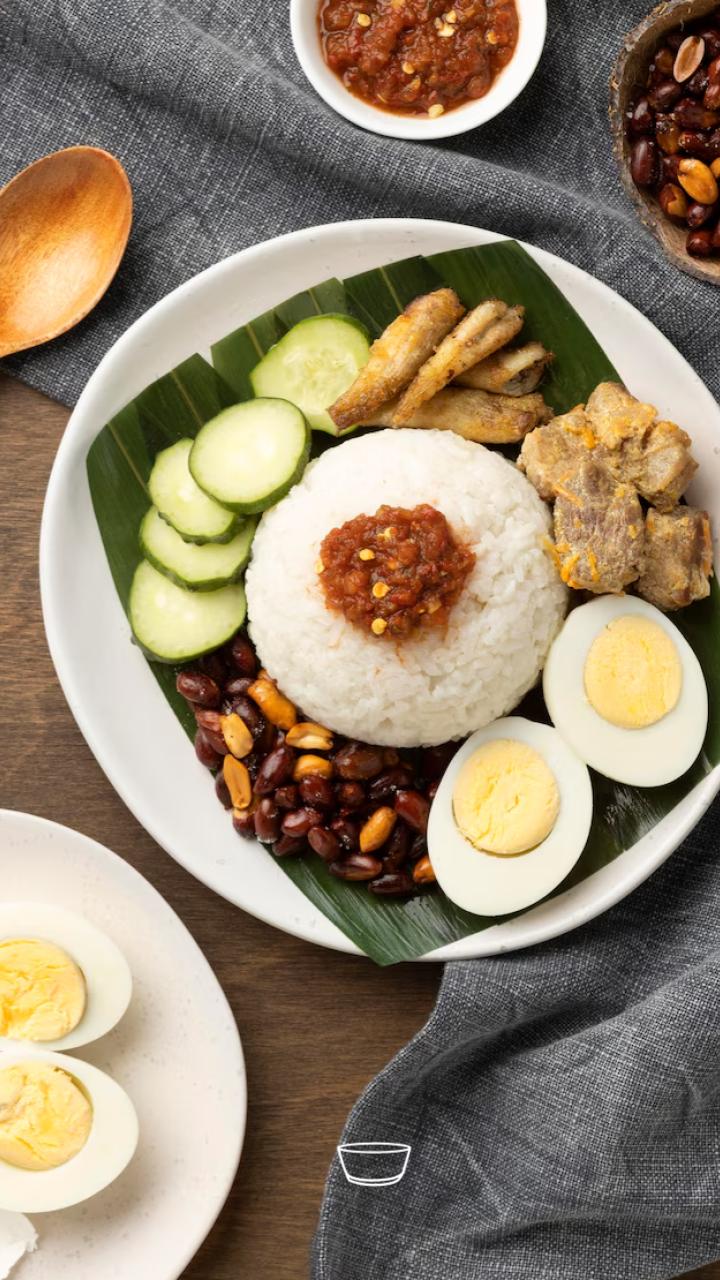
Grandma's rendang.
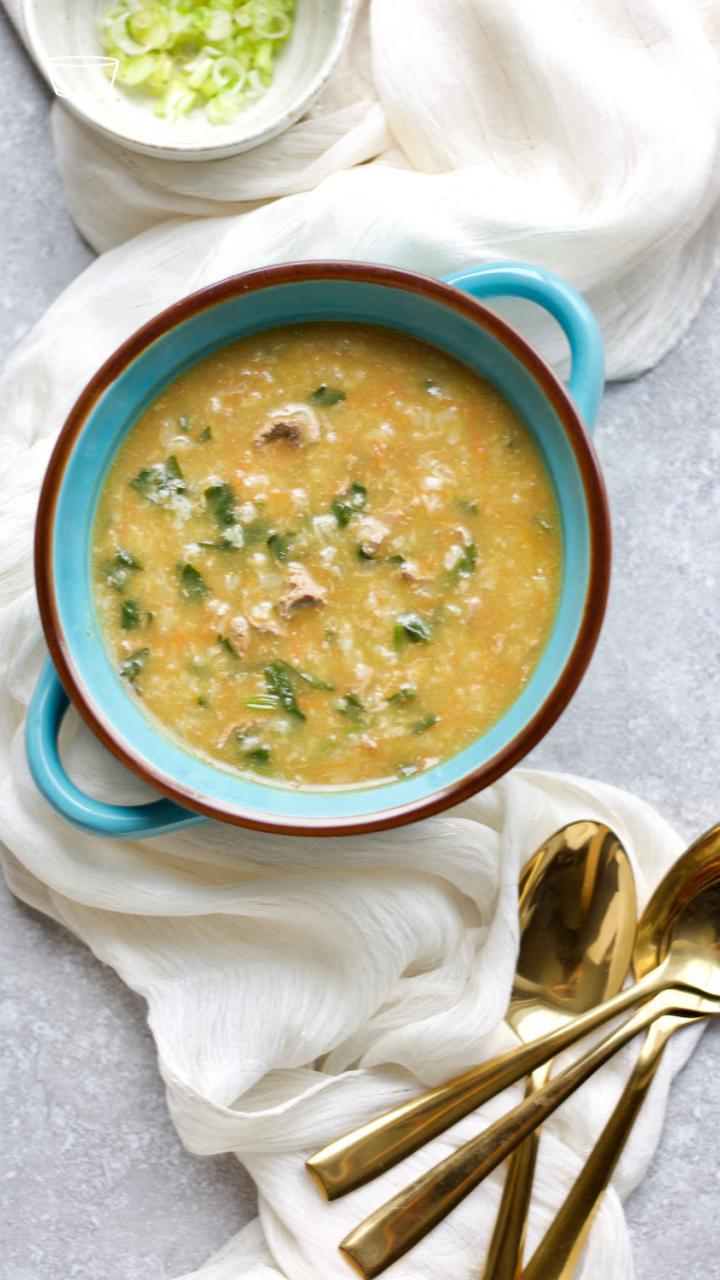
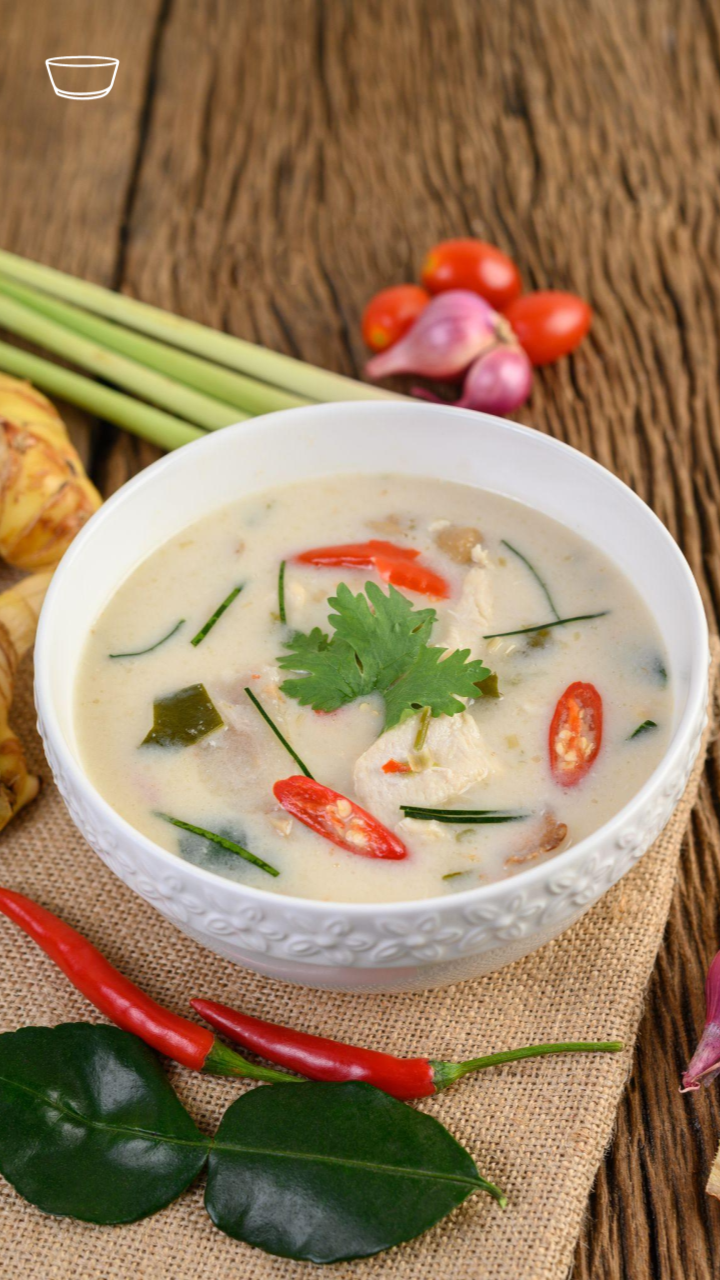
The soup that appears on weekends.
Tempeh that's almost always somewhere on the table.
A simple comforting meal on an exhausting day.
Or foods that carry more than one culture within the same family.
All of these can become part of a child's relationship with food.
Mealtimes also regain their social context: food is something we prepare, share, explore, and enjoy together.
That's why Mummasphere isn't here to teach families how to create a separate category of food called “baby food.”
We're asking a different question:
How can we safely make room for this child in the food culture their family already shares?
Sometimes the answer is changing the texture.
Sometimes the size or presentation.
Sometimes the seasoning.
Sometimes the portion.
And for some children, it may mean more individualised adaptations.
The meal can still be shared even when every plate isn't the same.
As Your Child's Eating Skills Grow
Learning to eat keeps evolving.
Over time, a child's ability to bite, chew, self-feed, use utensils, manage different textures, and participate in mealtimes may develop.
But a birthday isn't a switch that automatically makes a child ready for a particular texture.
So keep looking at the child in front of you.
Age can provide context. Progression should also reflect individual abilities, with opportunities to explore increasingly varied foods and textures when it is appropriate and safe for that child.
For children who need additional feeding support, progression may look different.
And different doesn't make their place at the family table any less meaningful.
We're not trying to reach:
“By this age, my child should be eating exactly what we eat.”
A more useful question is:
“As my child's abilities develop, how can we keep making family food accessible to them?”
Adaptation isn't something families need to rush to leave behind.
It's one of the ways we make food accessible while a child's abilities continue to develop.
The Mummasphere Family Table
At Mummasphere, we don't see learning to eat as a race from purées to finger foods and eventually to the adult plate.
We see it as a gradual invitation into family life.
A child begins by tasting.
Touching.
Smelling.
Watching other people eat.
Learning to bite or manage textures in their own way.
Sometimes eating enthusiastically.
Sometimes dropping almost everything onto the floor.
Sometimes refusing the meal you were absolutely certain they would love.
All of it can be part of learning.
And through those small, ordinary experiences, children gradually discover something bigger than what's on their plate:
“This is how my family eats.”
Within one family, that experience can carry generations and cultures with it.
Grandma's recipe doesn't need to disappear because there's a baby in the house.
A parent's cooking doesn't always need to become “children's food.”
And a child who needs a different texture or way of eating can still belong to the same experience.
Cook once when you can.
Adapt where you need to.
Let different generations bring their foods, stories, and traditions to the table.
And make room for every child to participate in the way their body and abilities allow.
Because a shared family ritual doesn't require identical plates.
It requires room to belong.
One Meal. Two Versions. One Family.
Shared doesn't have to mean identical.


6+m Baby Weaning Recipes



7+m Baby Weaning Recipes


9+m Baby Weaning Recipes


Our Favorites