Some dishes become even more useful once you start cooking for a family.
Not because they need to be turned into “baby food,” but because one pot can become a shared starting point for people who may need their food served in different ways.
Ayam Bumbu Kuning is one of those dishes.
This Indonesian yellow-spiced chicken is simmered with turmeric, shallots, lemongrass, galangal and other aromatics until the broth is fragrant and deeply savoury. For the family, the chicken and broth can be served with rice, with kecap manis, sambal or a squeeze of citrus added at the table according to taste.
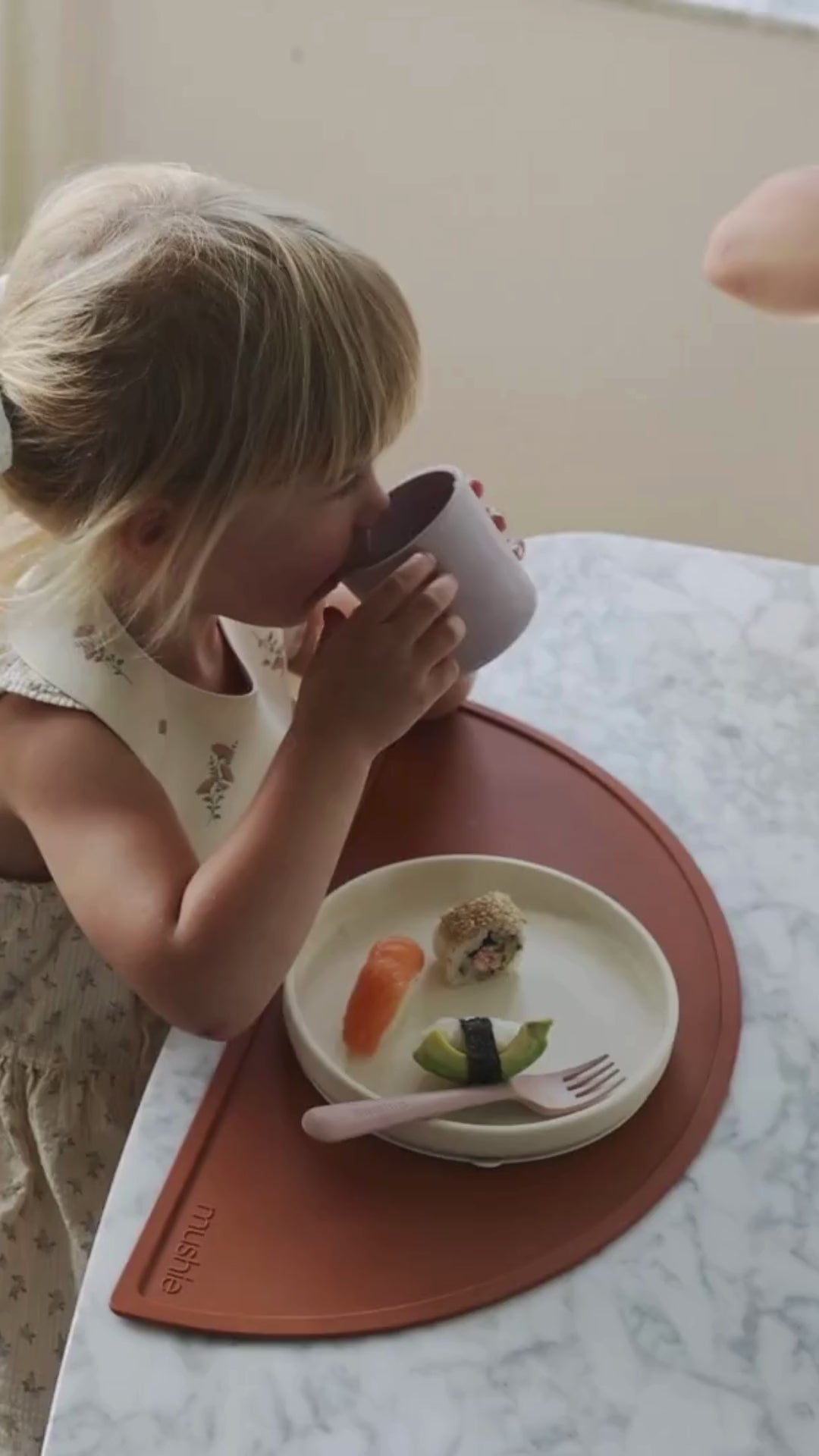
Before those family finishes are added, some of the chicken and broth can be set aside for your child. Combine it with rice and adapt the texture—from a smoother porridge to tender shredded chicken with more textured rice—according to your child's individual eating skills.
And if you intentionally reserve a little more chicken and broth?
The next morning, they can go into the rice cooker with last night's leftover rice and a little more broth to become Bubur Ayam Kuning, or yellow chicken rice porridge, for the whole family.
One Meal. Two Versions. One Family.
And when a dish naturally allows it:
Cook Once. Carry Forward.
About This Recipe
Ayam Bumbu Kuning belongs to the broad family of turmeric-rich dishes familiar across Indonesian home cooking.
In developing this Mummasphere version, we also used Nagi Maehashi's Southern Thai Turmeric Chicken at RecipeTin Eats as a culinary reference, particularly as a point of learning for building flavour with a turmeric-based aromatic paste.
From there, the recipe was redeveloped in the context of brothy Indonesian Ayam Bumbu Kuning for the family table: cooked in one deep pot, with enough liquid and soup aromatics to create a fragrant broth, and with a natural separation point so a child's portion can be adapted before the final family seasoning.
The reference helped inform the technique. The finished dish remains firmly rooted in Ayam Bumbu Kuning.
Why This Recipe Works for One Family
Instead of starting with:
“What should I make for my child today?”
family cooking can sometimes begin with a much simpler question:
“We have chicken. What can I cook that everyone can share tonight?”
The shared base is straightforward: chicken, bumbu kuning, aromatics and broth.
From there, the same food can take different paths:
- For your child: set aside chicken and broth before the final family seasoning, combine with rice, then adapt the texture.
- For the rest of the family: continue seasoning the same pot to taste, with condiments added individually at the table.
- For tomorrow's breakfast: intentionally reserve some chicken and broth before the family finish, ready to become rice porridge the following morning.
Shared doesn't have to mean identical.
The family shares the foundation of the meal. Texture, seasoning, heat and presentation can change according to the person eating it.
Ingredients
Makes approximately 4 family servings, with one portion adaptable for a child.
Chicken
- 700 g / about 1.5 lb chicken, cut into suitable pieces
- 2 tbsp canola oil
Bumbu Kuning
- 6 small shallots
- 3 garlic cloves
- 3 cm / about 1¼ in fresh turmeric
- 2 cm / about ¾ in fresh ginger
Blend or pound the ingredients into an aromatic paste.
A quick note for readers unfamiliar with the term: bumbu refers to a seasoned spice or aromatic mixture used as the flavour foundation of many Indonesian dishes. Here, turmeric gives the bumbu kuning—literally “yellow bumbu”—its characteristic colour.
Broth Aromatics
- 2 stalks lemongrass, bruised
- 4 cm / about 1½ in galangal, bruised or thickly sliced
- 4 Indonesian bay leaves (daun salam)
Daun salam is not the same as the Mediterranean bay leaf commonly sold simply as “bay leaf” in Western supermarkets. If Indonesian bay leaves are unavailable where you live, it is better to omit them than assume the two are interchangeable.
Liquid
- 1 L / about 4¼ cups water, or Mummasphere Unsalted Chicken Broth
For the Family Finish
Serve according to taste with:
- steamed rice
- kecap manis
- sambal
- citrus, optional
Kecap manis is Indonesian sweet soy sauce. Sambal refers to a broad family of chilli-based condiments rather than one single recipe.
There is deliberately no fixed amount of sambal here. A family in Jakarta, Sydney, Singapore, London or Los Angeles may have very different ideas about what “spicy” means. Keep the heat at the table and let each person choose.
Cooking for Tomorrow's Breakfast Too?
If you would also like to make Bubur Ayam Kuning for tomorrow's family breakfast, you don't necessarily need to multiply the entire recipe.
The useful components for the next meal are the chicken and yellow broth.
Before adding the final family seasoning, intentionally reserve a little more of both. Save some cooked rice from dinner too.
Tomorrow morning, those components can go straight into the rice cooker with Mummasphere Unsalted Chicken Broth or water as needed.
Scale the component, not automatically the whole recipe.
How much you reserve will depend on how many people will be at your breakfast table and how much they usually eat, so we deliberately don't prescribe a universal multiplier.
How to Cook Ayam Bumbu Kuning
1. Prepare the Aromatics First
Prepare the bumbu kuning, lemongrass, galangal, daun salam and other ingredients before handling the raw chicken.
If your chicken still needs to be cut, do that last.
It's a small sequencing habit, but it can mean one less round of cleaning your chopping board during a busy evening.
For weekday cooking, less cleaning up matters.
2. Make the Bumbu Kuning
Blend or pound together:
- shallots
- garlic
- fresh turmeric
- ginger
until you have a paste.
It doesn't need to be perfectly smooth. It just needs to be fine enough to cook evenly and eventually meld into the broth.
3. Cook Gently Over Medium Heat
Heat the canola oil in a deep pot over medium heat.
Add the bumbu kuning and cook, stirring regularly, until fragrant and the raw aroma of the paste has softened.
Add the lemongrass, galangal and daun salam and continue cooking until aromatic.
Mummasphere Tips
There's no need to rush the aromatics over high heat. Cooking the paste a little longer over medium heat gives you more control and reduces the chance of scorching it.
4. Add the Chicken
Add the chicken and turn the pieces through the bumbu until well coated.
You don't need deep browning here. The aim is simply to give the chicken and aromatic paste some time together before adding the cooking liquid.
5. Add the Water or Broth
Pour in 1 L / about 4¼ cups water or Mummasphere Unsalted Chicken Broth.
Bring to a gentle simmer.
A deep pot works better here than a wide, shallow pan. This is intentionally a brothy dish, and a deep pot makes the one-pot workflow much more practical.
One Pot means Less Cleaning Up.
6. Cook Until the Chicken Is Done and the Broth Comes Together
Simmer gently until the chicken is fully cooked and the turmeric, lemongrass, galangal and daun salam have infused the broth.
If you're using a food thermometer, make sure the thickest part of the chicken reaches at least 74°C / 165°F, positioning the thermometer away from the bone.
Food-safety temperature and the culinary endpoint aren't necessarily the same thing.
If the chicken is safely cooked but the broth still tastes a little light, keep it at a gentle simmer until the flavours come together. If your family prefers a slightly more concentrated broth, let it simmer a little longer.
Taste as you go.
For Your Child: Bubur Ayam Kuning
Before adding the final family seasoning, set aside some chicken and yellow broth for your child.
Check the portion carefully to make sure there are no bones or hard pieces of lemongrass, galangal or daun salam.
Combine the chicken and broth with cooked rice, then adapt the texture to your child's individual eating skills:
- For a smoother texture: mash or blend the chicken, rice and broth to an appropriate consistency.
- For a child comfortable with more texture: finely shred the tender chicken and combine it with more textured rice and enough broth to keep everything moist and manageable.
- As eating skills develop: retain more of the food's natural texture and form when appropriate for the individual child.
Age can be useful for orientation, but it doesn't prescribe one universal texture progression. Your child's individual eating skills should help guide how the shared meal is adapted.
For children with developmental or feeding differences, adapt texture and presentation according to guidance from the professionals supporting them.
Before You Continue
At this point:
- take the portion you need for your child;
- if you're planning breakfast for tomorrow, reserve additional chicken and broth for the Carry Forward meal;
- then continue with the family pot.
For the Family: Brothy Ayam Bumbu Kuning
Once the child's portion and any Carry Forward portion have been removed, taste the family pot and adjust the final seasoning as needed.
Serve with steamed rice and place the condiments on the table so everyone can finish their own meal:
- kecap manis for sweet-savoury depth;
- sambal for heat;
- citrus for brightness, if you like.
This way, the person who loves fiery sambal doesn't determine the heat level of the entire pot—and someone who prefers their food mild doesn't need a completely separate dinner.
Cook Once, Carry Forward
If you want tomorrow's breakfast to come from the same cooking session, don't wait to see what happens to be left after dinner.
Before the final family seasoning, intentionally transfer some cooked chicken and yellow broth into a clean storage container. Save the cooked rice you'll need for breakfast too.
The idea isn't simply to “use up leftovers.”
You're deliberately carrying a useful component of tonight's dinner into the next family meal.
Tomorrow's Breakfast: Rice-Cooker Bubur Ayam Kuning
Across many Asian food cultures, rice porridge has long been breakfast, comfort food and everyday family food—not simply something served to babies.
The next morning, much of the work has already been done.
You already have:
- cooked chicken;
- aromatic yellow broth;
- cooked rice from the night before.
Now the rice cooker can take over.
Mummasphere's Starting Ratio for Rice Porridge
For porridge made from cooked rice, start with:
1 cup cooked rice : 3 cups total liquid
The total liquid can include:
- reserved yellow broth;
- Mummasphere Unsalted Chicken Broth;
- water, as needed.
Any broth stored with the chicken counts towards the total liquid.
The 1:3 ratio is a starting point, not a precision endpoint.
Add, Set, Get On With Your Morning
Add the following to your rice cooker:
- leftover cooked rice;
- reserved Ayam Bumbu Kuning chicken;
- reserved yellow broth;
- Mummasphere Unsalted Chicken Broth or water as needed.
Select the Porridge/Congee setting and follow the timing of your own appliance, as programs vary between rice-cooker models.
Then get on with your morning while the rice cooker handles most of the cooking.
Mummasphere Tips — Set It, Then Get Ready
Start the rice cooker early in your morning routine, select Porridge/Congee, then carry on getting ready for the day. Breakfast doesn't have to mean standing over the stove stirring another pot.
There Isn't One “Correct” Porridge Texture
Some families like their bubur very thick. Others prefer it loose and brothy. Cantonese-style congee traditions, for example, include beautifully fluid textures that may be quite different from the thicker bubur familiar in other households.
Start with 1 cup cooked rice : 3 cups total liquid, then let preference determine the endpoint.
- Too thick? Stir in a little warm broth or water.
- Too loose? Continue cooking using an appropriate setting on your rice cooker until it thickens.
- Just right for your family? Stir and portion it into individual bowls.
Rice-cooker model, leftover-rice moisture, the amount of reserved broth and personal preference can all affect the final consistency.
One Porridge, Different Bowls
Once the Bubur Ayam Kuning reaches the consistency your family enjoys, don't season the entire rice cooker for one person's preference.
For your child, take a portion and adjust its texture and moisture according to their eating skills.
For everyone else, serve individual bowls and offer finishes according to taste, such as:
- extra shredded chicken;
- kecap manis;
- sambal;
- citrus;
- fresh aromatics that suit the dish.
This isn't a rice cooker full of “baby porridge” that adults happen to eat.
It's family Bubur Ayam Kuning, adapted at the bowl for the different people sharing the breakfast table.
Storage and Reheating
If you're planning the Carry Forward breakfast, transfer the chicken and broth you intend to save into a clean container and refrigerate them promptly after cooking rather than leaving them sitting on the table through dinner.
Cooked rice also needs appropriate cooling and refrigerated storage.
The following morning, reheat the food until it is steaming hot throughout. For a child's portion, allow it to cool again to a comfortable and safe serving temperature before offering it.
Re-Cooked This in Your Kitchen?
Mummasphere recipes are shaped around real family kitchens, so we'd also like to learn from yours.
If you cook this recipe, we'd love to know:
- Did 700 g / about 1.5 lb chicken feel right for your household?
- How much chicken and broth did you reserve for breakfast?
- How did the 1:3 porridge starting ratio work in your rice cooker?
- What did you change to make the recipe work better for your family's kitchen, food traditions or preferences?
Different households, appliances and food cultures won't always cook or eat exactly the same way—and that's useful information.
Mummasphere Perspective
Cooking for a family doesn't always have to mean finding a new recipe for every meal.
Sometimes the more useful question is simply:
“We have chicken. What can everyone share tonight?”
Tonight, the answer might be Ayam Bumbu Kuning.
One person may eat it with steamed rice and plenty of sambal. A child who is still developing their eating skills can experience the same flavours through Bubur Ayam Kuning in a texture that works for them. A grandparent or another caregiver at the table may finish their bowl entirely differently.
And before dinner is served, some chicken and broth can already be waiting in the fridge for tomorrow.
The next morning, last night's rice, chicken and yellow broth go into the rice cooker. This time, the family may meet around bowls of bubur together.
Rice porridge doesn't have to be something a child “graduates” from. Across generations and cultures, it can simply remain part of the family table.
That's what One Meal. Two Versions. One Family. can look like.
And when the food naturally allows it:
Cook Once. Carry Forward.
Not cooking as much as possible in one session. Not forcing every leftover into another recipe.
Just allowing the food you're already making to work a little harder for the family life you're actually living.